Phone Camera Analysis: Equipment, Effects, and Limits
Advertisements
A smartphone can support photographic analysis, but a filter cannot turn an ordinary camera into an X-ray instrument.
Advertisements
Thermal measurement, computer vision, and photo effects are distinct functions. Each depends on actual hardware and software rather than an impressive preview.
What Phone-Based Visual Analysis Requires
Check the sensors actually installed on the device. An ordinary camera is not automatically a thermal or infrared measurement instrument.
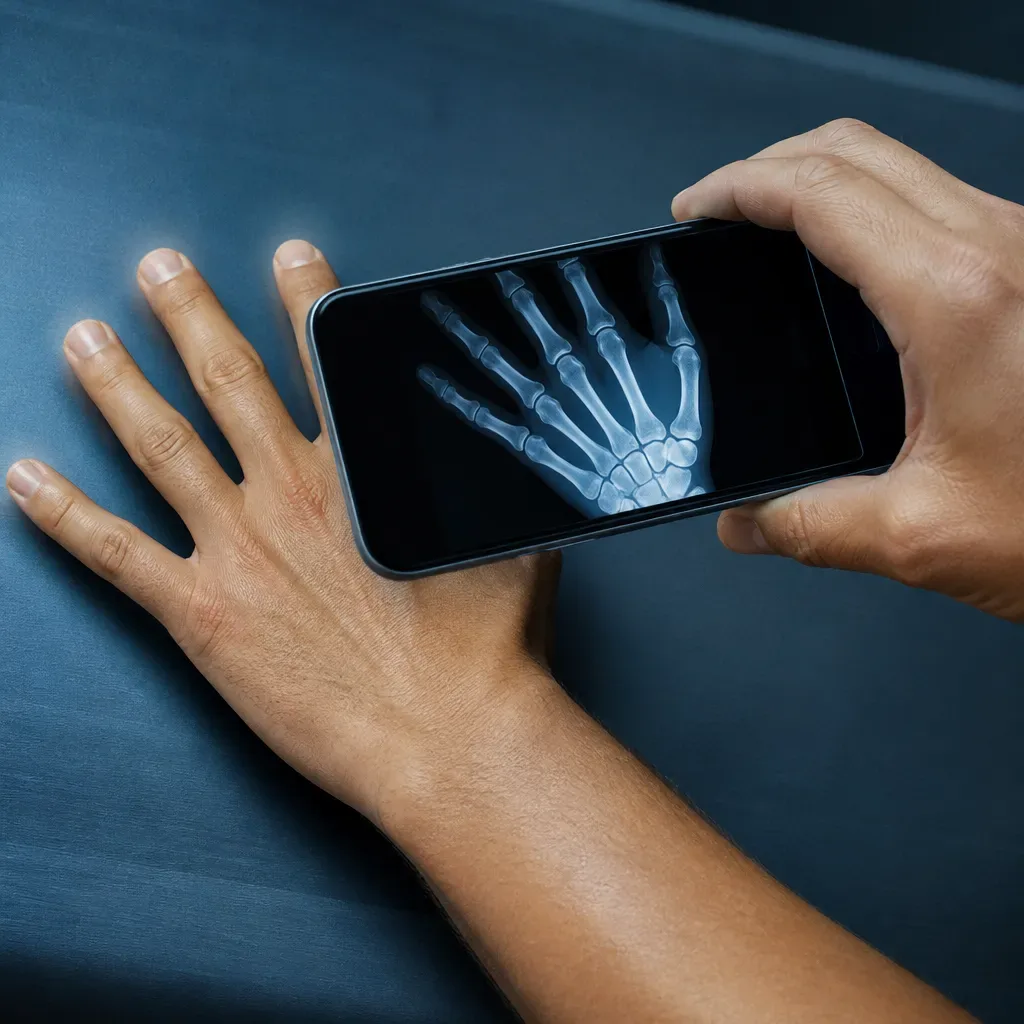
Image-processing algorithms may examine visible patterns. They cannot recover an unseen internal structure simply from a conventional photograph.
Temperature measurement requires appropriate sensing equipment. Xray scan filter cam is a photo effect, not an established thermal measurement tool.
 Xray scan filter cam
Google Play rating:
★★ ★ ★ ★
1 / 5
Store age rating:
PEGI 3
Author
rokdevapps
Platform:
Android
Price:
Free download; check in-app costs
▶Download on Google Play
Prepare for the Task You Actually Need
Start by matching the task to supported equipment. Settings cannot add a missing sensor.
Check the Hardware and Software Requirements
Read the exact device specifications and app requirements. A megapixel count does not establish thermal or X-ray capability.
Confirm operating system compatibility and install supported updates. Version requirements differ between products.
Test ordinary camera capture in the conditions you expect to use. Poor-light performance does not establish hidden sensing.
Choose and Set Up Appropriate Software
Storage cache and processing memory are different. Clearing cached files does not automatically improve an analysis function.
Review unused software if storage is limited, but avoid deleting unrelated apps simply to try a camera effect.
Check the intended function in the official app description. Thermal inspection and decorative X-ray imagery are not interchangeable.
Grant only permissions relevant to the function you choose. Location and full storage access are not universally necessary.
Capture Techniques and Their Limits
Framing and illumination can improve a photograph without making an unsuitable sensor reliable for a professional inspection.
Hold the phone steadily or use suitable support to reduce motion blur in visible capture.
Use a distance appropriate to focus and framing. Follow equipment instructions when conducting a genuine supported measurement.
Choose lighting for the actual capture method. A thermal-looking palette on a conventional photo is not temperature data.
Several angles can document visible details. They cannot reveal hidden information the equipment never measured.
Permissions, Privacy, and Applicable Rules
Professional use requires an appropriate method and understanding of its limits. An entertainment effect is not a certified inspection.
Consider relevant rules before photographing or inspecting a property. Permission and professional requirements depend on the circumstances.
Protect captured information with suitable device and account controls, particularly when it concerns private spaces.
Obtain the necessary permission before inspecting someone else’s property. A phone camera does not remove privacy expectations.
Record conditions and observations accurately where documentation is needed. A record cannot validate an unsuitable method.
Maintenance and Ongoing Checks
Maintain equipment according to its instructions. Routine care cannot make a photo filter an accurate measuring instrument.
Clean the lens with an appropriate soft cloth and follow the device maker’s care guidance.
Review supported updates and their stated changes rather than assuming every release improves measurement accuracy.
Genuine professional measurements need appropriate validation. Comparing an entertainment image with equipment does not calibrate it.
Monitor battery behavior and seek appropriate servicing when needed. Battery health is separate from whether a sensor measures the required information.
Inspection Scenarios and Suitable Equipment
Different inspection tasks need different information. A visual effect should not be used as evidence of hidden faults.
Building heat-loss assessment requires suitable thermal equipment and interpretation. A camera color filter cannot identify concealed insulation problems.
Visible wear can be photographed, while hidden electronic or mechanical faults may need other testing.
A conventional photo effect is not an appropriate medical assessment tool. Use suitable clinical care for health concerns.
Fieldwork needs methods matched to the question. A phone cannot replace specialized measurement simply because it is convenient.
Structural and security decisions require appropriate evidence and expertise. Do not infer integrity or danger from a simulated scan.
Possible Directions for Mobile Analysis
Future developments may expand supported tasks. They do not establish current capability in your device or app.
More elaborate AI processing still requires relevant captured data and suitable validation.
An augmented-reality overlay can display information, but does not prove that the underlying analysis is correct.
Specialized future sensors would need actual hardware support. A download cannot supply them today.
Connectivity and cloud processing may support some workflows, with their own privacy and latency tradeoffs.
Common data formats may help compatible tools exchange information. Support should be checked rather than assumed.
Review the actual privacy, security, and professional requirements as tools change, instead of relying on future protections.