Who Visited Your Profile? Myths and Facts
It is natural to wonder who has been looking at your social-media profile. Many apps turn that curiosity into a promise to reveal visitors immediately. Explore the myths and facts, then choose the Instagram or Facebook guide for your account. There is an important difference between documented engag
Who Visited Your Profile? Myths and Facts
Advertisements
It is natural to wonder who has been looking at your social-media profile. Many apps turn that curiosity into a promise to reveal visitors immediately. Explore the myths and facts, then choose the Instagram or Facebook guide. Social Guru, featured in those guides, describes its visitor displays as entertainment simulations. It does not provide real profile-visit data. Documented engagement information is a separate subject from a list of people who silently visited a profile.
Advertisements
Facebook and Instagram do not supply that complete visitor list. Some named content interactions are visible, while other statistics describe activity in aggregate. Understanding the difference helps you judge a report without assuming that an attractive screen reveals information the platform never provided.
Myth: Installing an App Reveals Every Visitor
Connecting an app to a social account does not automatically give it access to every person's browsing activity. A permission request should describe specific access, not be interpreted as an unrestricted view into the platform. One download cannot turn unavailable browsing information into a reliable identity list merely by presenting an impressive report.
Assess that promise separately from the useful analytics a service may legitimately provide through documented platform access. A count, a comment, or a list of people who performed a visible action is not evidence of a hidden visitor database. Do not present an inferred list as a verified record of everyone who opened a profile.
Myth: Official Analytics Identify Every Profile Visitor
Official tools can describe content performance and audience activity without naming every individual behind the numbers. Instagram Insights explains trends across followers and how content performs with an audience. Facebook also provides performance tools for eligible professional uses. That is different from a personal-profile visitor register.
Read the label and definition of a metric before deciding what it proves. If a feature identifies a particular content interaction, its scope remains that interaction. It does not establish who examined the rest of your profile. The platform's own explanation should take priority over a third party's broader interpretation of the same number.
Claims About Hidden Collection Need Evidence
Some visitor apps promote supposed loopholes or secret collection techniques as the reason their reports can reveal more than the platform normally shows. A claim about a loophole does not demonstrate a working exploit or prove that the resulting list accurately identifies profile visitors. Take an unusual access request seriously without assuming that the alleged visitor-tracking capability is real or dependable.
A service may ask for information or permissions that are unnecessary for the result you expected. Examine what it requests and how it explains that request. A claim about a secret technique is a reason to ask for reliable documentation, rather than proof that the technique works or that the resulting names are genuine visitors.
Fact: Some Interactions Are Visible Within a Defined Scope
A social platform may identify people who reacted, commented, or performed another explicitly visible action. It may also provide counts for content or links. Keep each observation tied to the feature that produced it. A link click does not necessarily reveal a person's identity, and an audience total does not become a list of named visitors.
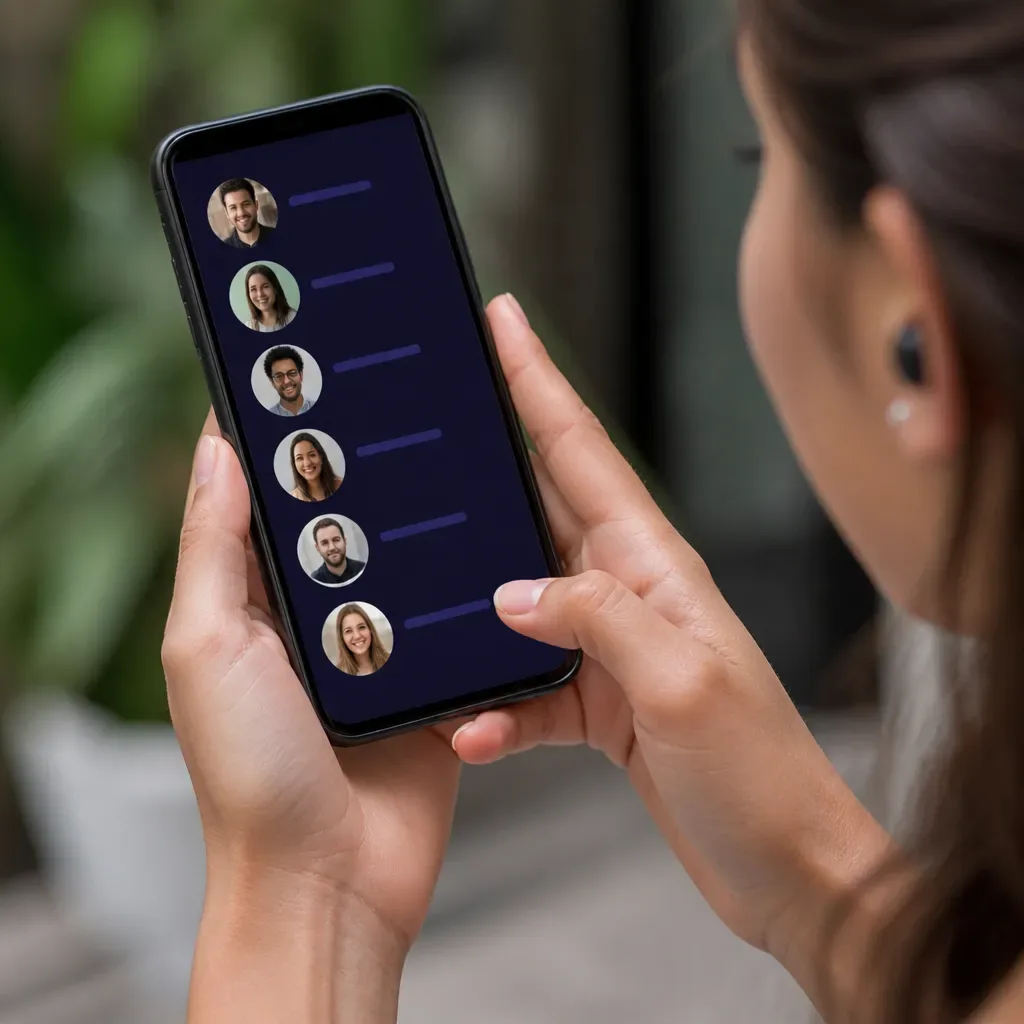
These are limited analytics situations, rather than a dependable way to reconstruct every silent visit or identify everyone who browsed a profile. Ask which action is measured, whether the information is aggregate, and whether the platform itself documents the feature before drawing a conclusion about a particular person.
Myth: A Permission Request Makes an App Trustworthy
A permission screen tells you that access is being requested; it does not independently establish the quality or honesty of the service making the request. Consider the developer, the stated purpose, and the relationship between the requested access and the promised report. Avoid granting broad access simply because a design looks professional.
Read the explanation before approving it and leave an unfamiliar connection unfinished when its purpose is unclear. A service should be able to explain what it measures without implying that authorization creates information unavailable through the platform. Access and capability are separate questions, and both deserve a clear answer.
Fact: Visitor Promises Can Create Privacy Risks
Searching for a hidden visitor report can lead you to disclose more about your own account than you intended. The practical risk comes from the access you approve, the information you enter, and the credentials or codes you share. Do not assume that every app sells data or compromises accounts; those are specific claims requiring evidence.
Instead, examine the actual request in front of you. If the promised benefit is a visitor list the platform does not provide, reconsider whether the access is justified. A disappointing report is not a reason to give the same service additional permissions in the hope that its next screen will be accurate.
Use Documented Tools and Realistic Expectations
Choose the Instagram or Facebook branch for the platform you want to understand. Both guides explain visits and engagement in the context of the information each platform actually makes available to the account you use. Review connections you no longer use and follow the platform's official account-security guidance.
Accept that some browsing remains private rather than treating every missing name as a problem another app must solve. You can still learn which content earns visible responses and how audience activity changes over time. Those observations are useful on their own, without converting aggregate information or guesses into a claim that someone secretly visited your profile.